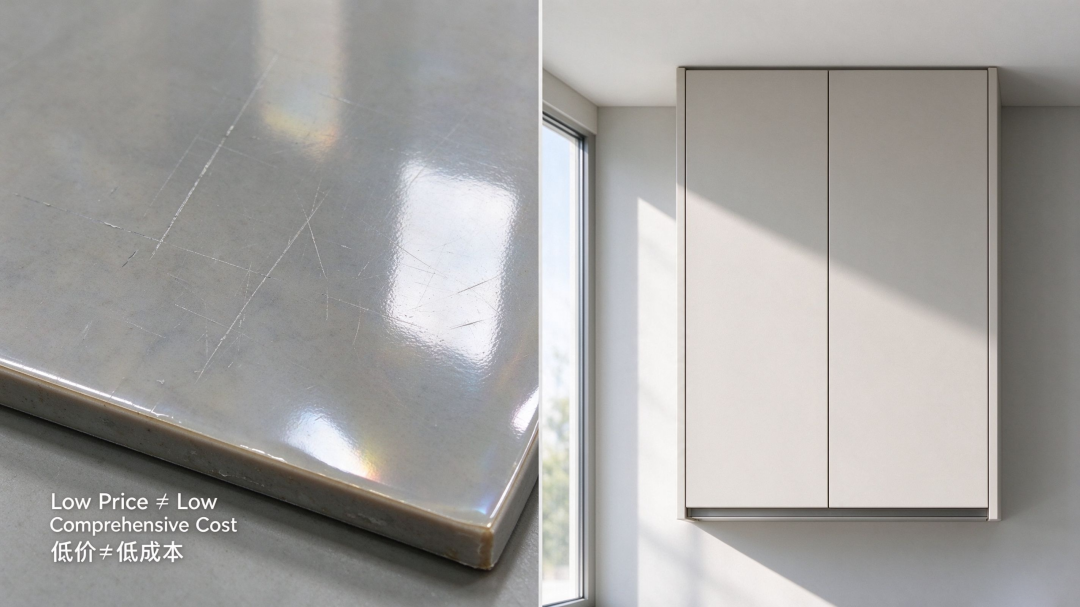
From material waste to rework risks: How B‑side buyers select decorative‑film suppliers suitable for mass production
In furniture manufacturing, cabinet door panel production and interior decorative panel industries, controlling procurement costs is always critical for enterprises to secure profits.
When purchasing PETG decorative film, many buyers tend to compare prices and prioritize suppliers offering the lowest unit price.
However, for production‑oriented factories pursuing stable scheduling and consistent delivery, unit price is only one link in the cost chain. Large batch‑to‑batch fluctuations, sub‑standard surface quality and process incompatibility with existing production lines will trigger hidden costs including extra material loss, repeated machine adjustments, manual rework and order delays — even if the purchasing price is very low.
Profit does not depend on purchase price. What truly matters is whether every square meter of film can be stably turned into qualified finished products.
I. Four Major Cost Traps for B‑side Clients in PETG Decorative Film Procurement
1. Batch‑to‑batch quality fluctuation: apparent savings lead to rising hidden waste
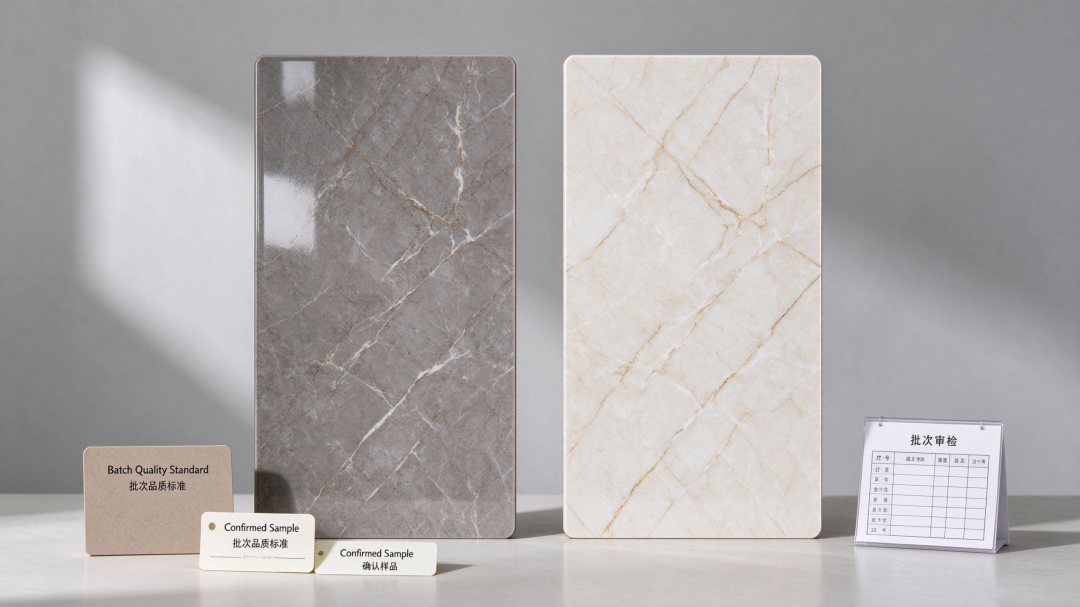
In mass production, surface condition, thickness uniformity, color and gloss consistency of the film directly determine finished‑product appearance and processing stability.
If bulk goods deviate significantly from the confirmed sample, factories have to manually sort materials and repeatedly adjust equipment parameters. Some laminated panels may even need rework or direct scrapping.
Products such as cabinet doors, wardrobe panels and large‑area decorative wall panels have extremely high requirements for appearance consistency.
Buyers should not rely only on initial samples. Before placing orders, they need to lock in batch quality standards, appearance acceptance specifications and non‑conforming‑product handling plans.
2. Poor process compatibility: time‑consuming machine adjustments and higher rework risks
The final performance of PETG decorative film depends not only on the film itself, but also on substrates, adhesives, laminating equipment and processing environments.
Every factory has unique production‑line configurations, process parameters and product structures. Without pre‑production compatibility tests, mass production is highly likely to suffer from panel blistering, poor bonding and uneven flatness.
Sometimes these issues do not stem from film defects, yet shutdown troubleshooting, machine tuning and trial production all generate invisible costs.
Recommended practice: Run machine tests using the factory’s own substrates, adhesives and equipment before formal orders, and confirm process boundaries.
3. Hidden surface defects: minor flaws compromise acceptance of full batches
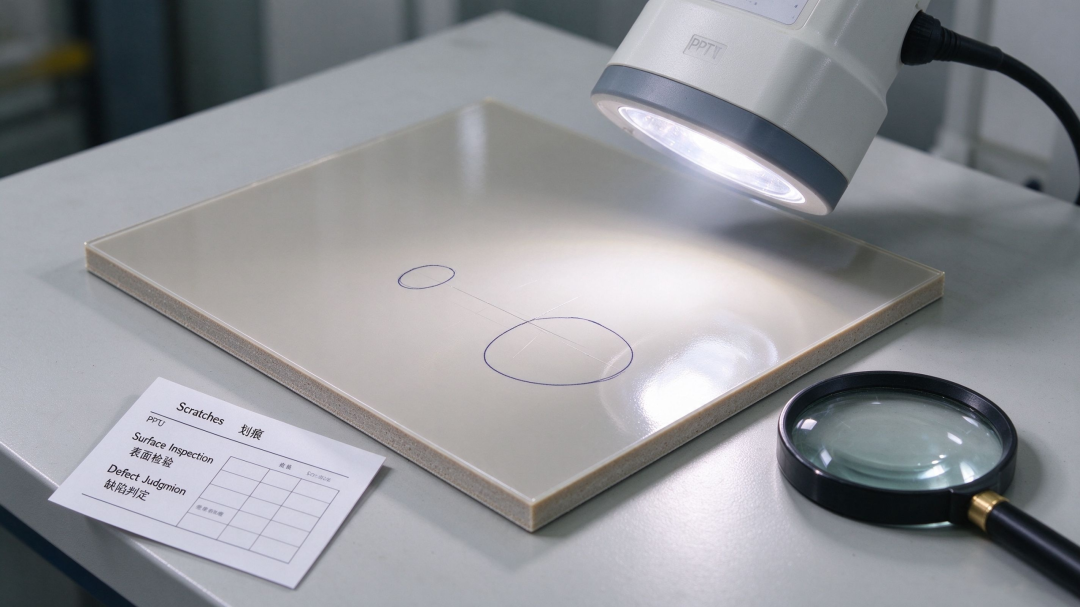
Decorative films serve as surface finishing materials. Visible defects such as scratches, black spots, impurities and uneven gloss — even in small local areas — may trigger full‑batch rejection for high‑standard projects.
When defects are only detected after lamination, losses extend beyond film costs, covering substrates, labor hours and delivery schedules.
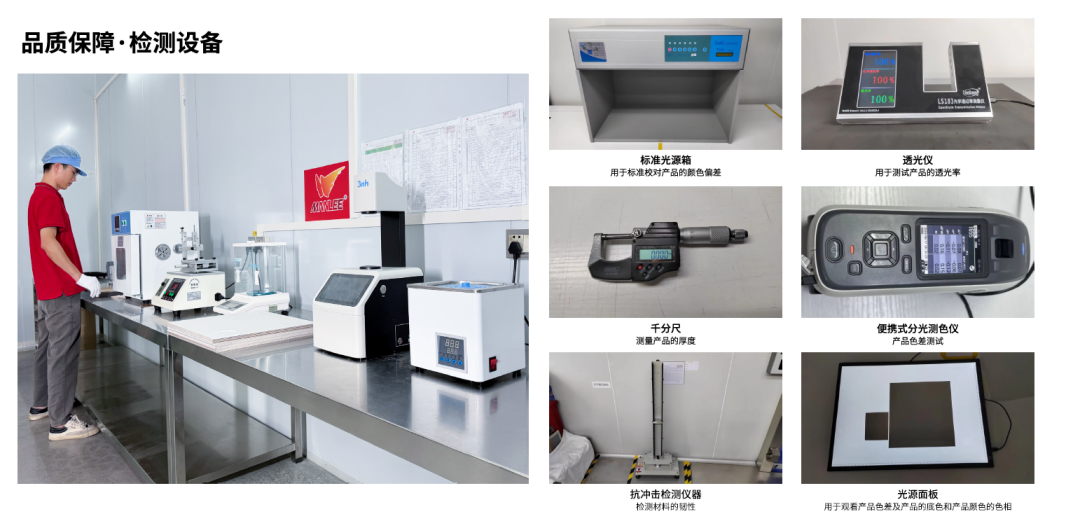
Besides scratch‑resistance and wear‑resistance indicators from marketing brochures, buyers should verify suppliers’ surface inspection standards, defect judgment rules and complete pre‑shipment inspection procedures.
4. Lack of batch traceability: qualified samples do not guarantee stable bulk output
Sample sealing and confirmation is standard procurement practice, yet qualified samples cannot replace mass‑production quality control.
For long‑term stable procurement, the core requirement is whether suppliers can consistently match sealed samples, maintain fixed specifications and reproduce stable quality.
Verify these key points before placing orders:
Are there standardized product specifications and written acceptance criteria?
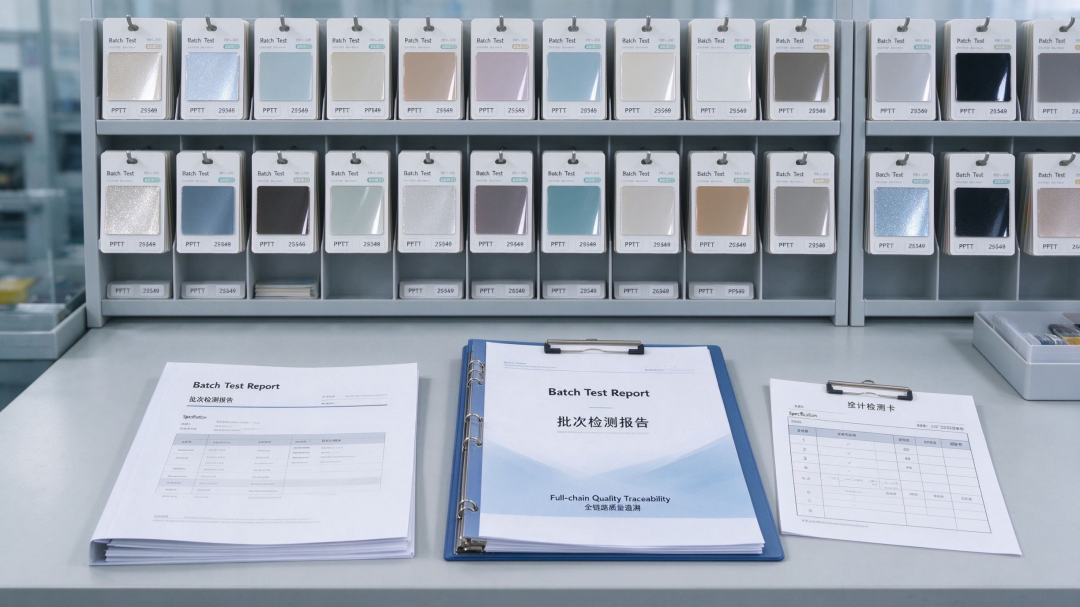
Can batch‑specific test reports be provided?
Is there a complete traceability system with batch numbers, sample retention and full‑chain quality tracking?
Are clear procedures in place for feedback, compensation and replenishment for quality non‑conformities?
These fundamental details determine the controllability of long‑term procurement.
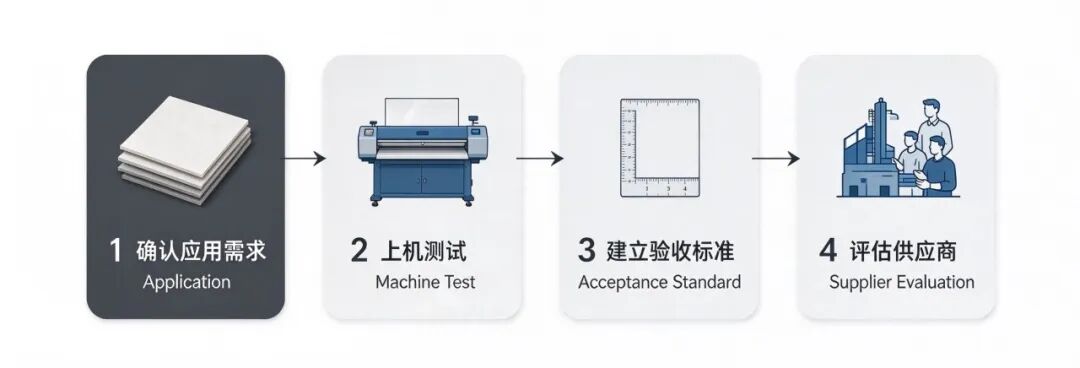
II. How to Effectively Reduce Comprehensive Procurement Costs for PETG Decorative Film
The sound cost‑reduction logic for B‑side factories is not to blindly cut material unit prices, but to minimize invalid expenditures such as material loss, rework and trial‑and‑error.
Step 1: Define application scenarios before material selection
Clarify in advance the application, substrate type, processing method, surface effect and mandatory performance indicators.
Furniture door panels, cabinet panels and commercial wall panels differ greatly in requirements for appearance, weather resistance and processing compatibility. Defining scenarios first avoids wrong material selection at the source.
Step 2: Complete on‑machine testing before mass‑volume orders
Do not finalize orders based merely on sample color and hand feel.
Conduct on‑machine tests with substrates, adhesives and equipment actually used in‑house. Key checkpoints include lamination flatness, adhesion strength, processing stability and finished‑product appearance. For special‑requirement projects, agree on test methods and acceptance thresholds in advance.
Step 3: Formalize written acceptance standards for bulk goods
Include film specifications, width tolerances, color difference, glossiness and surface‑defect judgment rules as well as delivery requirements within contracts or technical agreements.
For color‑critical orders, both parties shall seal master samples and define color‑difference tolerance ranges to eliminate subjective disagreements during quality inspection.
Step 4: Evaluate suppliers in multiple dimensions instead of price‑only comparison
Assess suppliers comprehensively on the following capabilities:
Product quality and batch‑to‑batch stability
Production‑process and quality‑control capabilities
Pattern development and customization capacity
Delivery lead time and bulk‑order supply capacity
Technical support, emergency response and after‑sales service
High‑quality suppliers act as long‑term partners that help factories lower production uncertainty and improve supply‑chain controllability.
III. MANLEE Technology: Self‑developed & Self‑manufactured Decorative Films for Mass‑procurement Demands
Focused on decorative‑material R&D and manufacturing, MANLEE Technology builds a diversified decorative‑film product portfolio covering product development, process optimization and end‑user processing scenarios to satisfy varied procurement requirements.
1. Full‑range product portfolio covering diverse decorative scenarios
Our product lines include PETG / EB / PP / PET thermoforming films, digital printing films, PVC, CTP self‑adhesive films and cross‑woven fabric films.
The extensive product portfolio enables furniture factories, panel processors and building‑material distributors to select suitable products according to scenarios, surface styles and processing technologies. Clear alignment on requirements, specifications and processing conditions lays the foundation for stable cooperative procurement.
2. Full‑chain intelligent manufacturing to guarantee mass‑delivery capacity

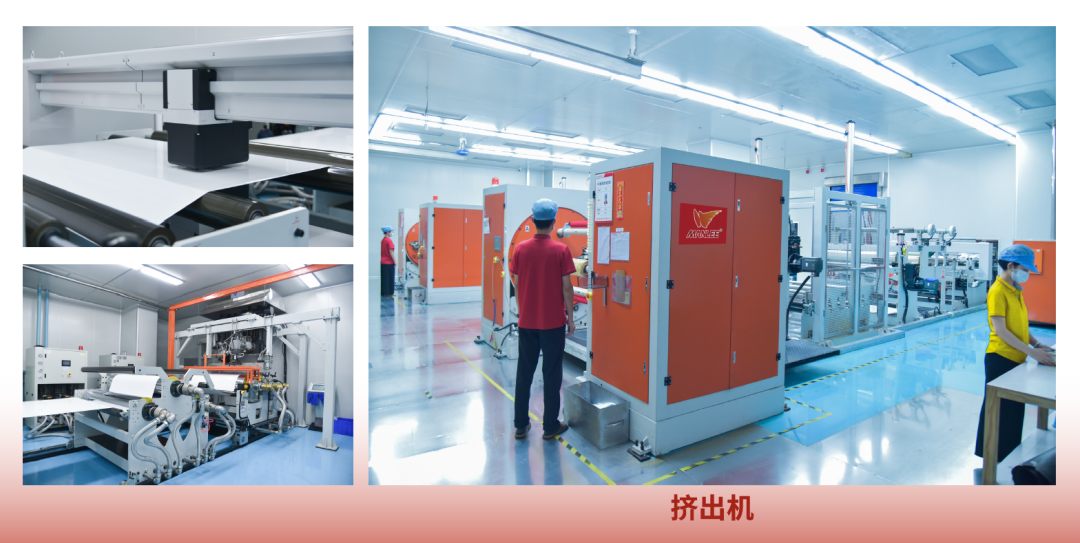
MANLEE Technology operates an industrial park of around 60,000 ㎡ equipped with complete production lines for extrusion, coating, gravure printing, EB curing and digital printing.
Closed‑loop process control covers raw‑material forming, surface modification, pattern printing and finished‑product inspection, forming the foundation for consistent quality on large‑volume orders. For long‑term clients, production‑line scale, process management and quality‑inspection systems serve as core cooperation evaluation criteria.
3. Continuous pattern & surface‑finish development for differentiated design needs
As furniture, cabinet and interior‑decoration markets keep evolving, buyers pay increasing attention to whether textures, soft‑touch effects and surface finishes match end‑market designs.
MANLEE Technology iterates new releases and develops special texture finishes to fit design preferences across global markets.
For customized projects, clients may provide target patterns, substrate information, processing technologies and performance requirements. We will arrange sample testing and deliver adapted solutions accordingly.
4. Evolve from one‑off purchases to long‑term collaborative supply‑chain partnerships
For repeat‑order B‑side clients, long‑term cooperation goes beyond price negotiation. It requires unified specification standards, smooth communication channels and executable quality‑control schemes.
MANLEE Technology welcomes long‑term cooperation from overseas furniture manufacturers, panel mills, building‑material traders and brands.
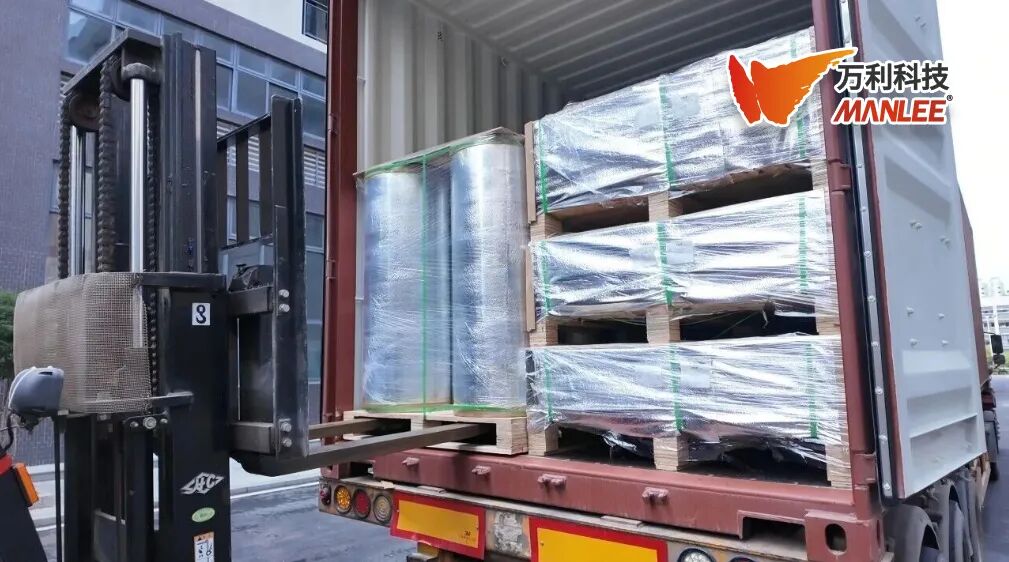
For special‑performance demands or large‑scale procurement plans, we build customized procurement workflows starting from requirement communication, sample sealing and on‑machine testing.

IV. PETG Decorative Film Procurement: Focus on Final Production Results Rather Than Quotations
Intense competition prevails in decorative‑material industries. Low price does not equal low comprehensive cost.
Key evaluation questions: Is the film compatible with your existing production lines? Is bulk‑goods quality consistent batch after batch? Do performances satisfy end‑use requirements? Can the supplier deliver stably over time?
For manufacturers, reducing waste, cutting rework and stabilizing production schedules represent sustainable cost‑reduction approaches.
MANLEE Technology looks forward to cooperating with global building‑material buyers. Leveraging our R&D and manufacturing strengths, we deliver stable and reliable decorative‑film solutions for furniture, panel and interior‑decoration industries.
Looking for a reliable PETG decorative‑film supplier?
If you are a furniture factory, cabinet‑door plant, panel processor or building‑material distributor, please contact MANLEE Technology.
Share your application scenarios, target patterns, substrate types, processing technologies and procurement volume. We will recommend matching product solutions, arrange sample evaluations and discuss cooperation opportunities.
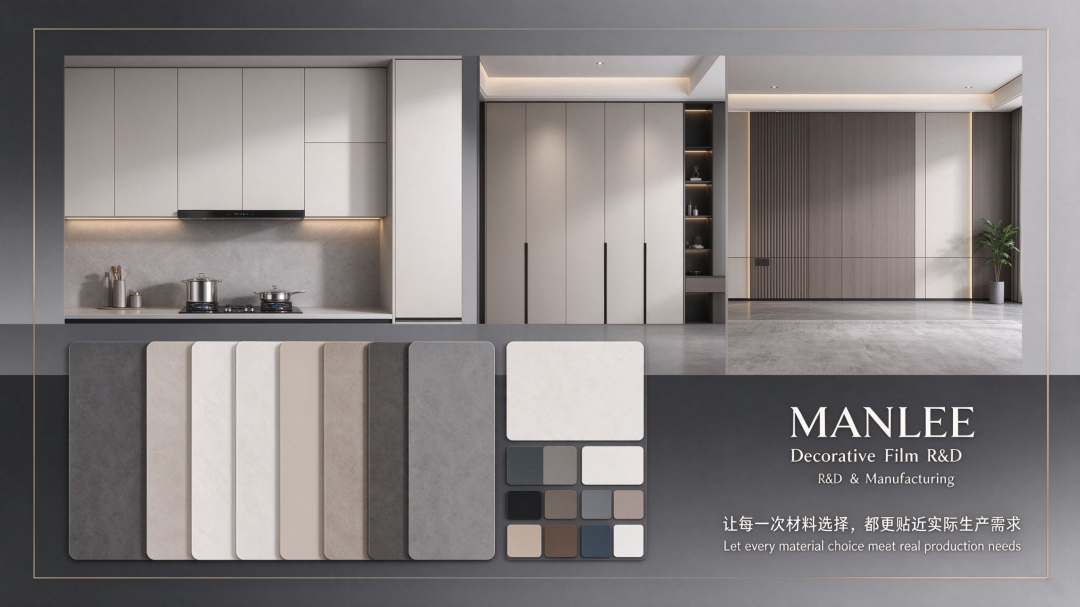
MANLEE | Decorative Film R&D & ManufacturingEvery material choice shall fit real‑world mass‑production requirements.
#FurnitureFactoryCostReduction
#PETGFilmBatchStability
#DecorativeFilmSupplierSelection
#PanelLaminationProcessCompatibility
#BBuildingMaterialProcurementPitfallAvoidance
#DecorativeFilmQualityControl
#CabinetDoorPanelFilmSelection
#FactoryHiddenProductionCosts
#DecorativeFilmMassProductionSampling
- Share
-
12
- Exploring New Materials! Students of Guangdong Polytechnic Normal University under Hongzhi Navigation Program Step into MANLEE Technology and Experience Innovation of High-end Decorative Films
- 正在更新中...


 万利科技